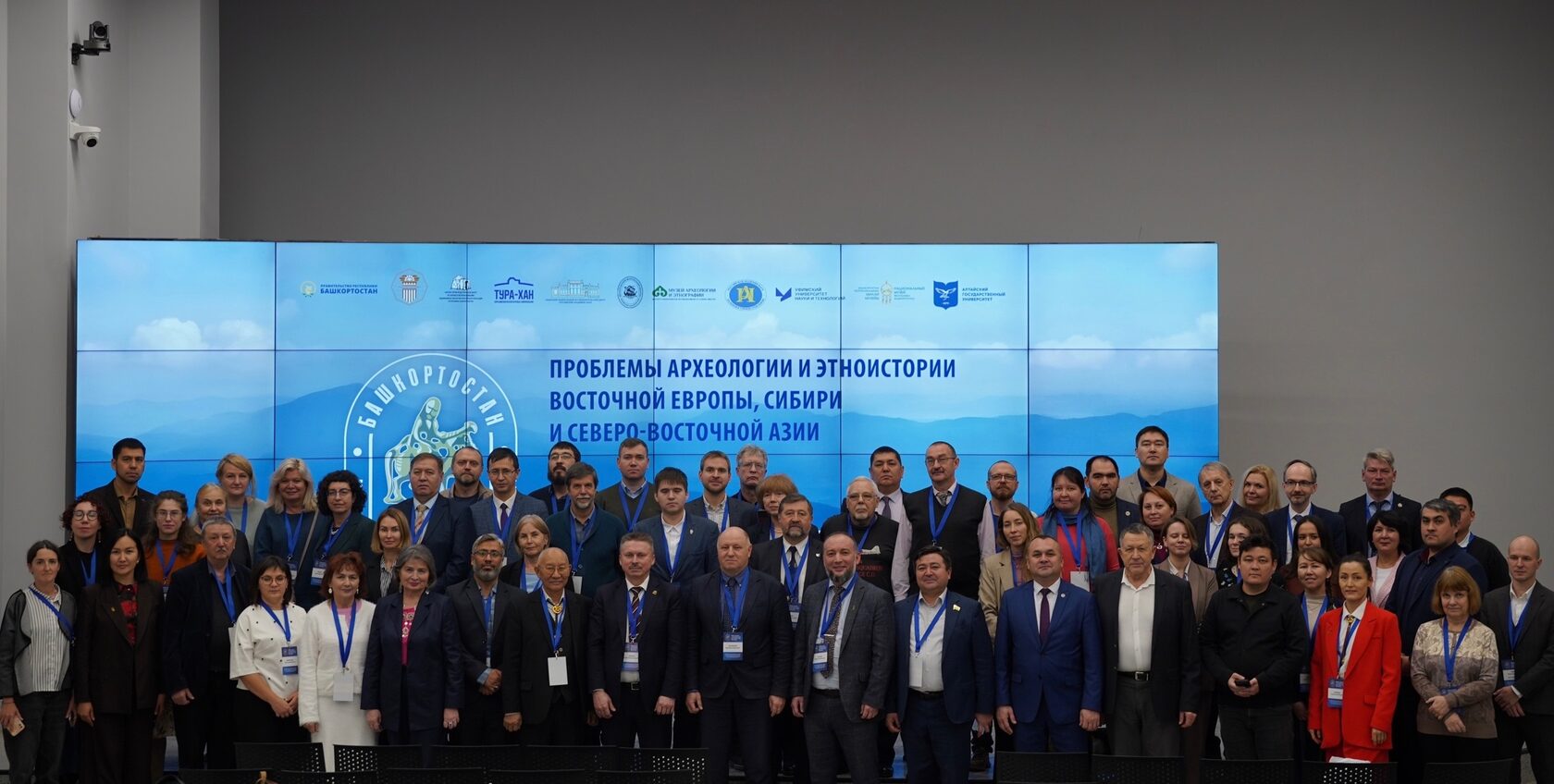
At the International Scientific Conference in Ufa, dedicated to the 140th anniversary of Sergey Rudenko and the 100th anniversary of his monograph on the Bashkirs, scholars shared their thoughts on the Eurasian Museum of Nomadic Civilizations project.
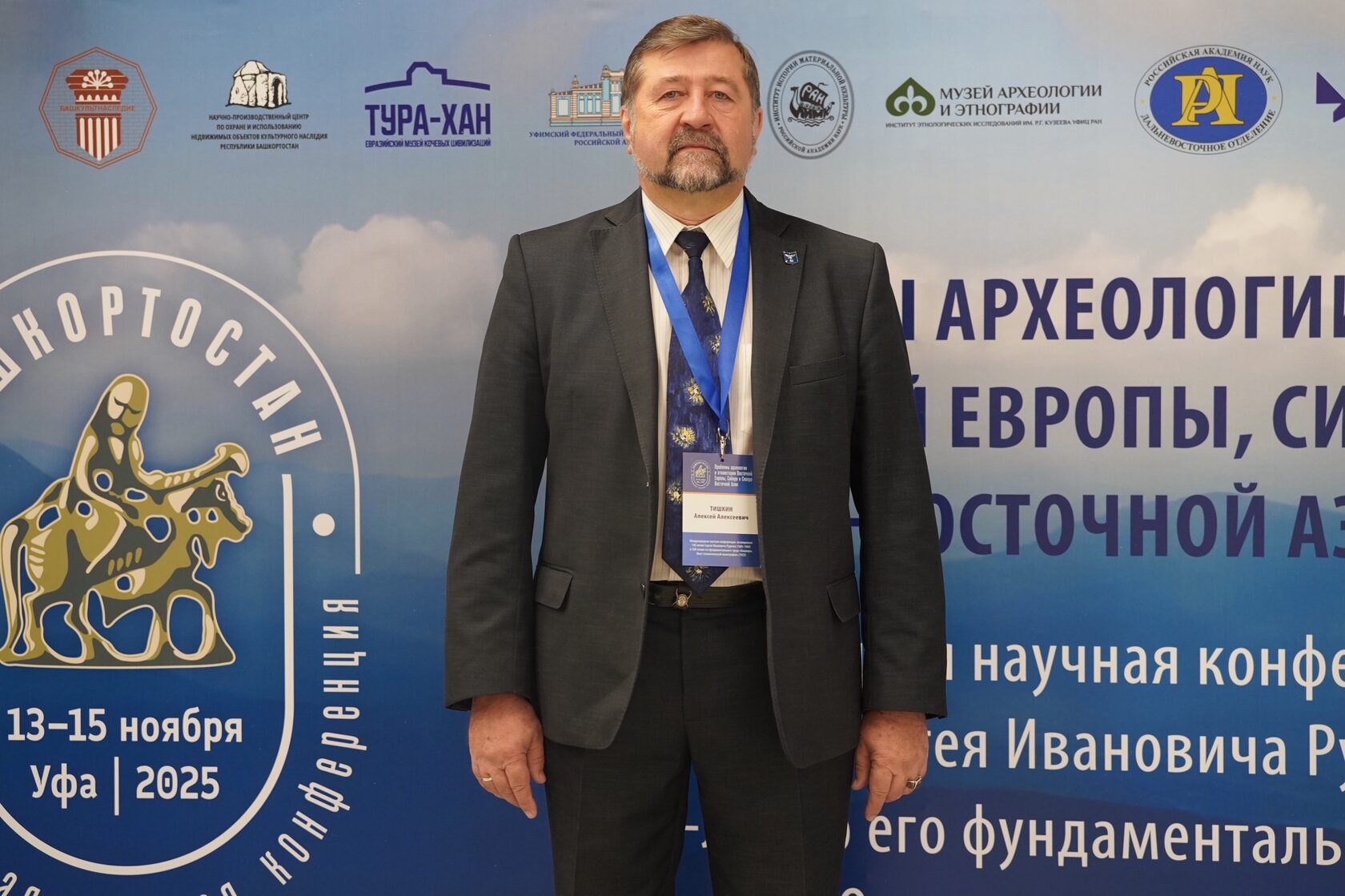
Professor Alexey Alexeevich Tishkin of Altai State University emphasized the role of Eurasianism: "There is no doubt that a Eurasian Museum of Nomadic Civilizations should exist in Russia. The idea of Eurasianism has long been developed in philosophy and science. Although not everyone supports it and interpretations vary, the general meaning remains the same: the Eurasian continent has one common history, which we must not only know and study, but also be proud of, as it is a vast cauldron of world civilization. Eurasianism as a unifying factor is, in fact, our most important advantage. Today, attempts are being made worldwide to erase traditions rooted in the self-awareness of peoples. Russia is a multinational country, and therein lies its strength: mutual enrichment, contacts between peoples and cultures develop all participants in this interaction. Therefore, I consider the creation of the Eurasian Museum and a unified museum space to be a timely and good initiative."
Professor Alexey Alexeevich Tishkin of Altai State University emphasized the role of Eurasianism: "There is no doubt that a Eurasian Museum of Nomadic Civilizations should exist in Russia. The idea of Eurasianism has long been developed in philosophy and science. Although not everyone supports it and interpretations vary, the general meaning remains the same: the Eurasian continent has one common history, which we must not only know and study, but also be proud of, as it is a vast cauldron of world civilization. Eurasianism as a unifying factor is, in fact, our most important advantage. Today, attempts are being made worldwide to erase traditions rooted in the self-awareness of peoples. Russia is a multinational country, and therein lies its strength: mutual enrichment, contacts between peoples and cultures develop all participants in this interaction. Therefore, I consider the creation of the Eurasian Museum and a unified museum space to be a timely and good initiative."
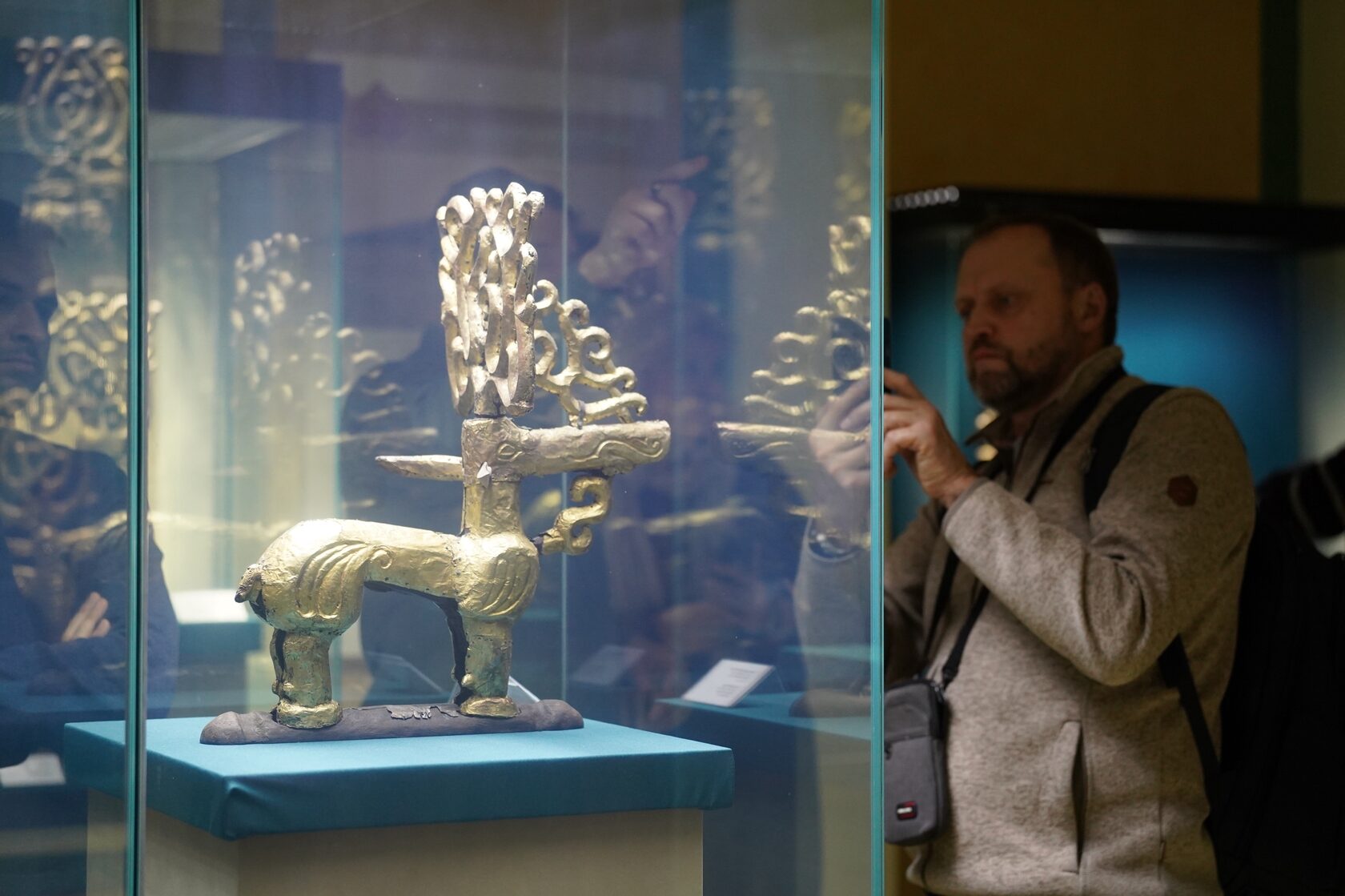
Gleb Kubarev, a senior researcher at the Institute of Archaeology and Ethnography of the Siberian Branch of the Russian Academy of Sciences from Novosibirsk, shared his opinion on the "Tura-Khan" visitor center and the project itself: "The building impresses with its harmony with the surrounding environment. It has truly blended into the landscape and looks dignified." He called the project ambitious and requiring interaction with scientists from different Eurasian countries to enrich the exhibition. "In my opinion, such a museum should feature iconic monuments from all of Steppe Eurasia – from the territories of Kazakhstan, Altai, and other regions. I would like to see replicas of the most important archaeological complexes from Mongolia as well, since this country was the center of nomadic empires, the starting point for conquest campaigns. For example, replicas of stelae with ancient runic inscriptions, sculptural images, and much more."
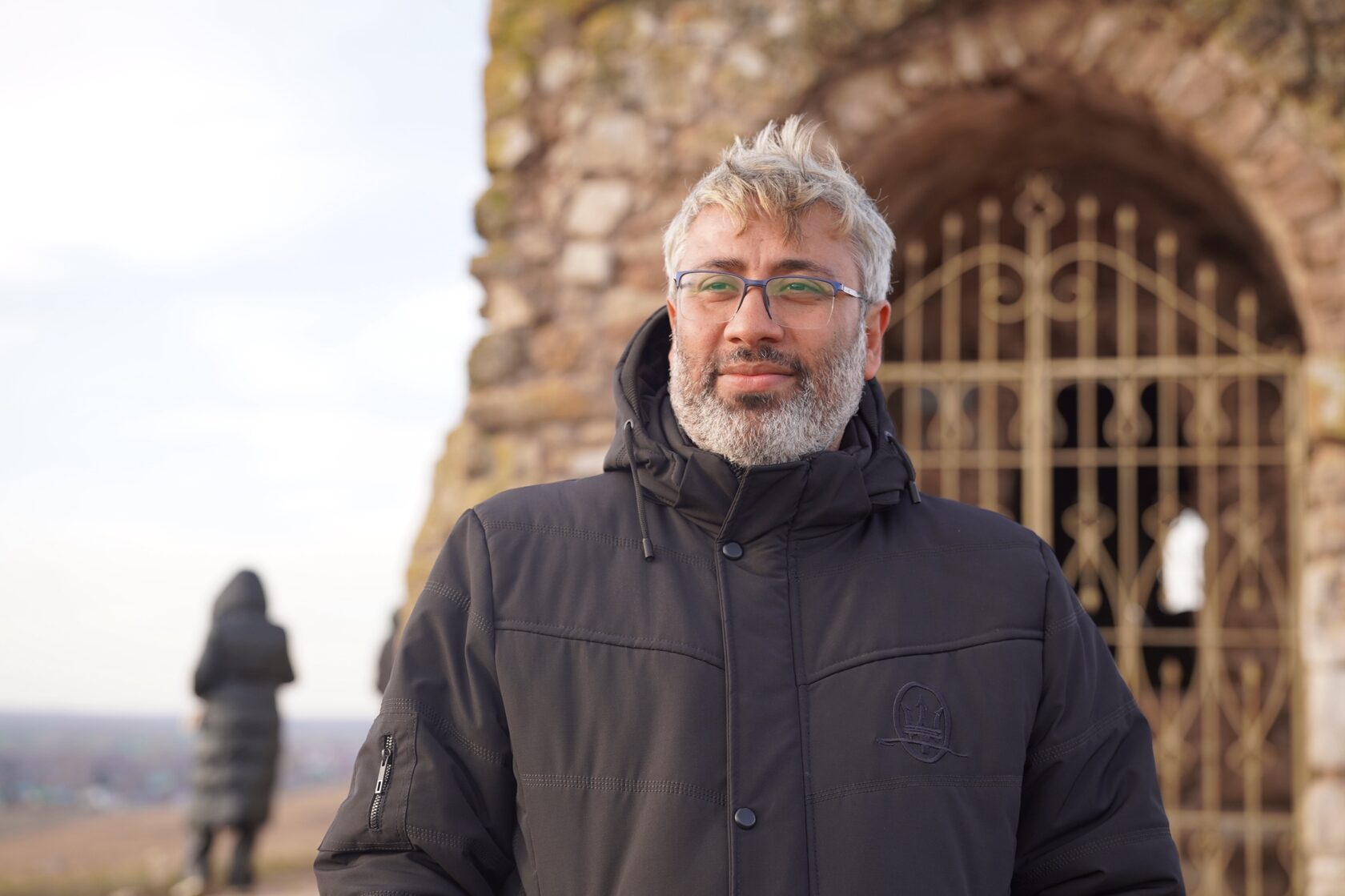
Iranian scholar Amir Ismail Alizadeh, head of the Department at Al-Mustafa International University, noted historical connections. He said that the Kipchak Steppe was once an important route between East and West, and the nomads of this land communicated with the Iranians – trading, exchanging culture and art. According to him, the museum can showcase these connections through trade routes, art objects, and historical narratives to explain how the life of nomads and Persian civilization together created a common Eurasian culture.
Russian historian and cartographer Andrey Astaykin, who is collaborating with the project, plans to create a series of maps for the museum: 20 to 35 pieces, covering the history of Eurasia from Romania to Korea, including Southeast Asia and India. The maps will show the movement of tribes, the transformations of states, and the changes in ethnic groups from the Bronze Age to the present day. "If I am given the opportunity to implement this, the entire history of Eurasia will be explained in great detail, not only of the steppe and nomads, but also of settled tribes living near the nomads. It will be a stunning piece of work. And if these maps are animated and compiled into a single animated film, equipped with a chronological scale and brief explanations, then any museum visitor will be able to understand how everything develops and changes. It will be extremely interesting."
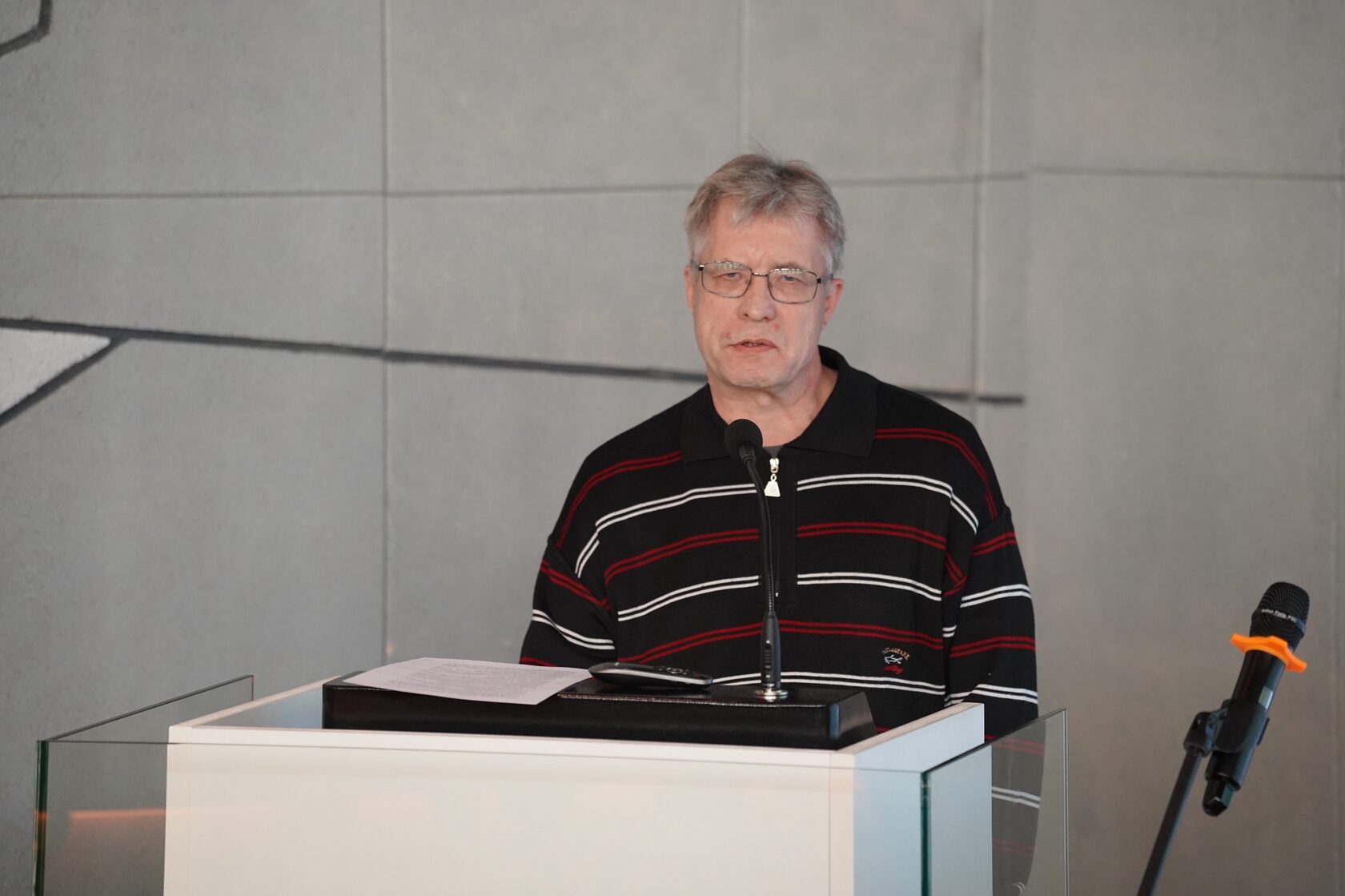
Conference participants await the project's development and the opening of the museum itself, which will house artifacts from various regions of Eurasia.
The full photo album can be found here: https://vk.com/album-226634666_310722794
The full photo album can be found here: https://vk.com/album-226634666_310722794